
How to Choose the Best Solar Panel Installer in Miami: A Comprehensive Guide
Published by:
Published on:
Adam Lewis
Table of Contents
The decision to install solar panels is a significant investment that can provide long-term savings on energy costs while reducing your environmental footprint. However, the success of your solar project depends largely on choosing the right installer. With numerous companies operating in Miami, understanding how to evaluate solar installers is crucial. This guide will walk you through the essential factors to consider when choosing the best solar panel installer in Miami.
1. Verify Proper Licensing and Certifications
The first step in evaluating any solar installer is confirming they hold the proper licenses and certifications required in Florida. All solar installers operating in Miami must be licensed by the Florida Department of Business and Professional Regulation (DBPR). Ask potential installers for proof of their electrical contractor license, which is essential for solar work.
Additionally, look for industry-specific certifications such as NABCEP (North American Board of Certified Energy Practitioners) certification. This credential demonstrates that the installer has passed rigorous examinations and maintains a commitment to professional standards. Many reputable companies also maintain certifications from equipment manufacturers like Tesla, SunPower, or Enphase, showing they've undergone specialized training on specific products.
Don't hesitate to verify these credentials independently. You can check Florida licensing records online through the DBPR website. A legitimate installer should be transparent about their qualifications and willing to provide documentation without hesitation.
2. Assess Local Experience and Track Record
Miami's unique climate and environmental conditions require installers with specific local expertise. The intense sun, high humidity, salt air corrosion, and seasonal hurricane preparedness all demand knowledge that comes from years of working in South Florida.
Ask potential installers how long they've been operating in the Miami area specifically. Companies with at least five to ten years of local experience have weathered various seasons and can provide insights into long-term system performance in your specific microclimate. Request references from customers in your neighborhood or similar Miami areas, and actually call these references to ask about their experiences.
Inquire about the installer's experience with roofing types common in Miami—tile roofs, flat commercial roofs, and metal roofs — and how they handle the installation process on each. Ask about their experience with hurricane-resistant mounting systems, which are particularly important in Florida's Atlantic hurricane zone.
3. Check Credentials on Industry Databases
Beyond individual certifications, verify the company's standing with industry organizations. The Solar Energy Industries Association (SEIA) and the Florida Solar Energy Industries Association (FSEIA) maintain directories of reputable installers. Membership in these organizations suggests a commitment to industry standards and ethical practices.
The Better Business Bureau (BBB) provides valuable information about a company's complaint history and how they respond to customer issues. While a few complaints are normal for any service business, look for patterns. An installer with numerous unresolved complaints or a low BBB rating should be approached with caution.
4. Examine Customer Reviews and References
In today's digital age, customer reviews provide invaluable insights into installer performance. Check Google Reviews, Yelp, Facebook, and industry-specific review sites. Look beyond star ratings to read actual customer feedback, paying attention to comments about professionalism, punctuality, communication, and post-installation support.
Be cautious of reviews that seem overly positive or negative without specific details. Instead, focus on balanced reviews that mention concrete aspects of the installation experience. If you notice recurring themes, either positive or negative, they likely reflect the company's actual practices.
Request at least three to five customer references, preferably from projects completed within the last 18 to 24 months.
Ask these references specific questions:
- Were there any unexpected issues?
- How long did the installation take?
- What was the company's response time if problems arose?
- Would they use the company again?
5. Use Apollo Match to Find the Best Solar Panel Company in Miami
To streamline your search for the right solar installer in Miami, consider using Apollo Match, an innovative matching tool designed to connect homeowners with solar panel installers based on their specific needs and preferences.
Apollo Match simplifies the installer selection process by asking you about your unique requirements: budget, timeline, property type, energy goals, and preferred financing options. The tool then matches you with vetted, qualified installers in your area who best fit your criteria. This eliminates the guesswork and saves you countless hours researching individual companies.
How Apollo Match Works:
- Answer a brief questionnaire about your solar project needs
- Receive personalized matches with installers suited to your requirements
- Compare multiple qualified options
This provides an excellent foundation for the more detailed evaluation steps that follow, allowing you to make informed decisions faster while ensuring you're only considering reputable professionals.
6. Assess Equipment Quality
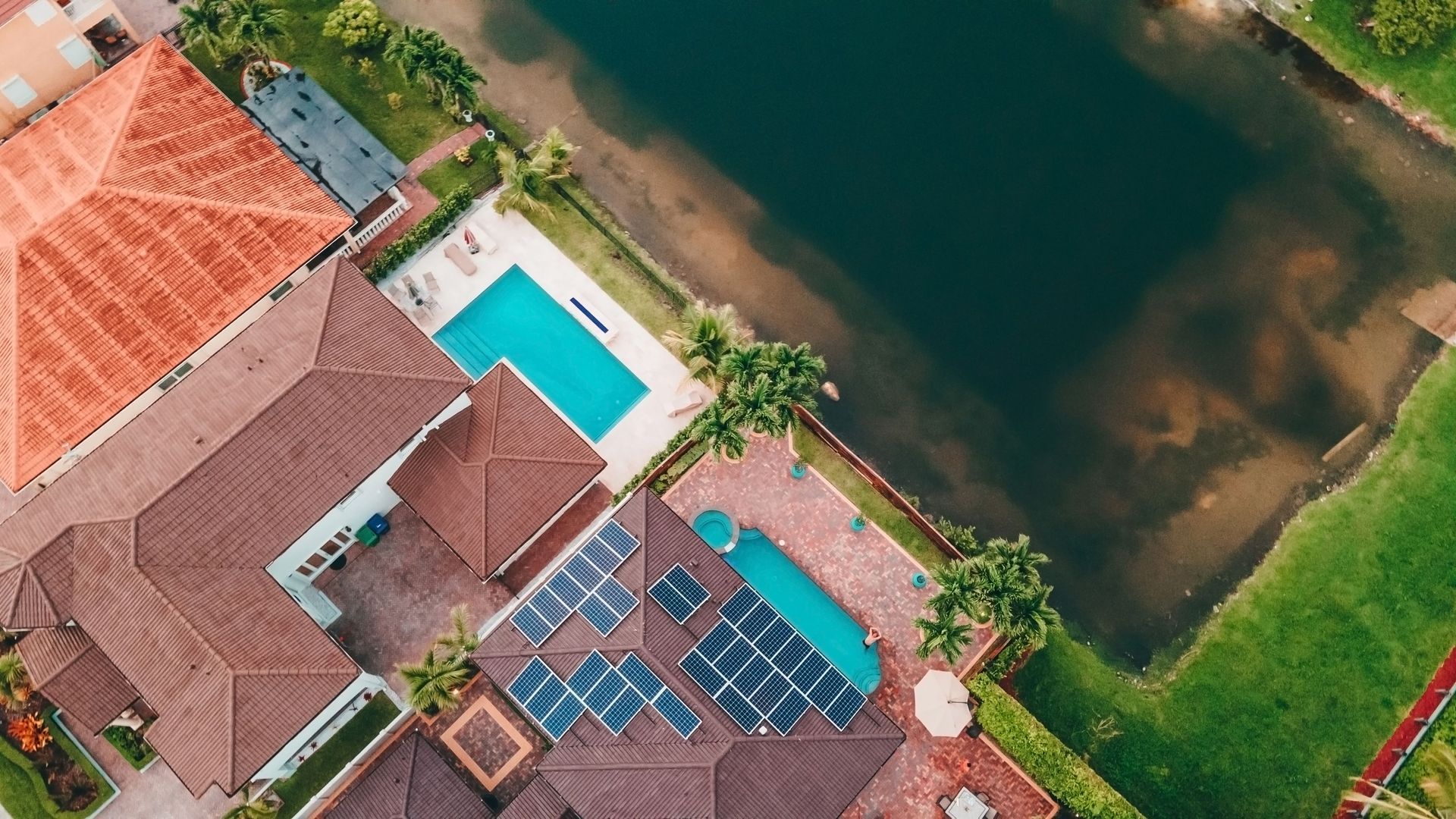
The quality of equipment significantly impacts your system's longevity and performance. Ask what brands the installer uses for solar panels and inverters. Established brands like Canadian Solar, LG, Sunpower, and Enphase have strong track records for reliability and longevity.
Understand the warranty coverage provided by both the manufacturer and the installer. Quality solar panels typically come with 25-year power warranties and 10-12 year product warranties. Inverters usually have 10-25 year warranties. Make sure you understand exactly what's covered and for how long.
Ask about the installer's warranty on workmanship, which typically ranges from 5 to 10 years. This covers any issues related to installation quality. Don't let an installer pressure you into choosing equipment solely based on price; sometimes a slightly more expensive system with better equipment quality provides superior long-term value.
7. Review the Installation Process and Timeline
A professional installer should walk you through their entire installation process. Understand the timeline from initial consultation to system activation. Typical residential installations take two to five business days, depending on system size and roof complexity.
Ask about permitting: Will the installer handle all permit applications with your local municipality? In Miami, this process is important and sometimes lengthy. Installers who handle permitting themselves typically provide faster turnaround.
Inquire about the installation day experience. Will there be disruption to your home? How do they handle debris removal? What's their cleanup process? Professional installers should minimize disruption and leave your property clean.
Also ask about the monitoring and activation process. After installation, how long until the system is activated with your utility? What monitoring tools and apps will you have access to? A good installer provides comprehensive training on system operation and monitoring.
8. Evaluate Customer Service and Support
Post-installation support matters greatly over your system's 25+ year lifespan. Ask potential installers about their customer service availability. Do they offer phone support? Email support? What's the typical response time for service requests?
Understand their maintenance plans. While solar systems require minimal maintenance, occasional cleaning and inspections are beneficial, especially in Miami's salt-air environment. Some installers offer maintenance packages; others provide it on an as-needed basis.
Ask what happens if your system develops issues during the warranty period. How quickly do they respond? Do they have in-house technicians or do they contract with service providers? The best solar panel installers in Miami stand behind their work and resolve issues promptly.
9. Trust Your Instincts
Beyond the objective criteria, pay attention to how the company treats you throughout the consultation process. Are they knowledgeable and willing to answer your questions thoroughly? Do they listen to your concerns and customized solutions, or do they present a one-size-fits-all approach?
Professional solar panel installers in Miami should respect your decision-making timeline and never use high-pressure sales tactics. If an installer makes you feel rushed or uncomfortable, that's a red flag.
Final Thoughts
Choosing the best solar panel installer in Miami requires thorough research and careful evaluation across multiple dimensions. Verify licenses and certifications, assess local experience, check independent credentials, read customer reviews, compare transparent pricing, evaluate equipment quality, understand the installation process, and assess customer support capabilities.
By taking time to evaluate these factors, you'll select an installer capable of delivering a high-quality solar system that provides reliable clean energy and financial benefits for decades to come. Your investment deserves nothing less than a partner who combines expertise, professionalism, and genuine commitment to your solar success.
SOURCES
1. Florida Department of Business and Professional Regulation (DBPR) - Florida contractor licensing verification
https://www.myfloridalicense.com/
2. North American Board of Certified Energy Practitioners (NABCEP) - Solar certification standards and credentials
3. Solar Energy Industries Association (SEIA) - Industry standards and certified installer directory
4. Florida Solar Energy Industries Association (FSEIA) - State-specific solar industry information and member directory
5. Better Business Bureau (BBB) - Company ratings, reviews, and complaint resolution
6. Federal Energy Regulatory Commission (FERC) - Investment Tax Credit (ITC) information
https://www.irs.gov/credits-deductions/investment-credit
7. Florida Public Service Commission - Solar incentives and net metering policies
8. Consumer Reports - Solar installer reviews and consumer guidance
https://www.consumerreports.org/
9. EnergySage - Solar panel equipment quality ratings and installer reviews
10. SolarReviews.com - Solar installer ratings and customer reviews
11. Florida Building Code - Miami-Dade County solar installation requirements and hurricane preparedness standards
https://www.miamidade.gov/building/
12. Miami-Dade County Permitting and Inspections Division - Solar permit and inspection requirements
https://www.miamidade.gov/permits/
13. National Electrical Code (NEC) - Electrical safety standards for solar installations
14. Manufacturer Warranty Information - SunPower, Canadian Solar, Enphase warranty specifications
https://www.sunpowercorp.com/ | https://www.canadiansolar.com/ | https://enphase.com/
15. Federal Trade Commission (FTC) - Consumer protection and solar sales best practices
Share This Article