Types of Solar Panels: A Comprehensive Guide to Modern Photovoltaic Technologies
Published by:
Published on:
Adam Lewis
Table of Contents
Solar energy has emerged as one of the most promising renewable energy sources in the fight against climate change. At the heart of this technology are solar panels, which convert sunlight into electrical energy through the photovoltaic effect. However, not all solar panels are created equal.
Different types of solar panels vary in efficiency, cost, appearance, and performance characteristics. Understanding these differences is crucial for anyone considering a Miami solar panel installation or simply interested in how this transformative technology works.
3 Main Types of Solar Panels
The solar panel market is dominated by three primary technologies, each with distinct advantages and limitations.
Monocrystalline Solar Panels
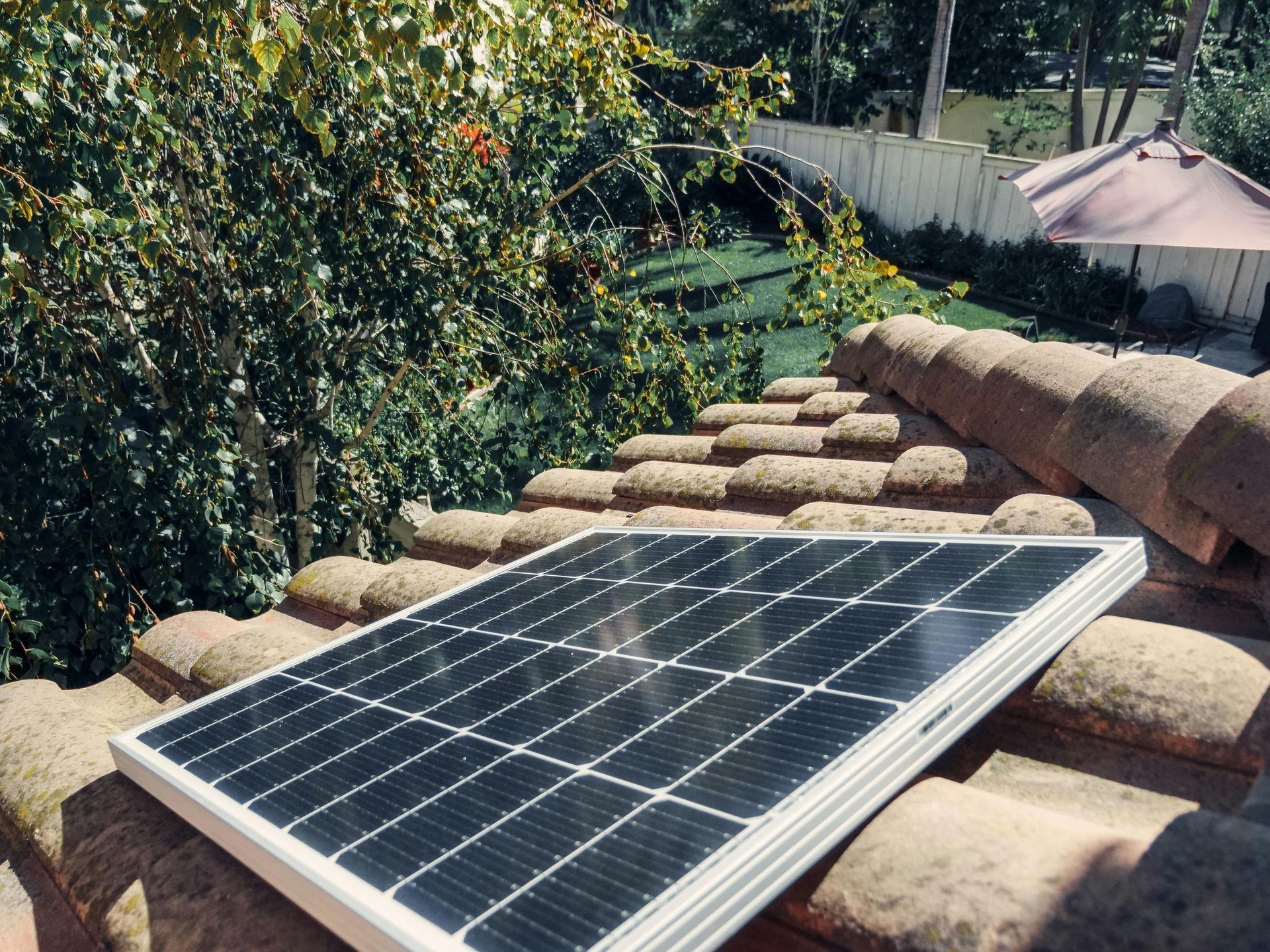
Monocrystalline panels represent the gold standard of solar technology. Made from silicon wafers cut from a single crystal of silicon, these panels are easily recognizable by their uniform dark color and rounded corners where the corners of the square cells are cut off. The manufacturing process involves growing a large single crystal of silicon and then slicing it into thin wafers, which explains why these panels maintain exceptional efficiency rates.
The primary advantage of monocrystalline panels is their superior efficiency rate, typically ranging from 17% to 22%, with some premium models exceeding 22%. This means they convert a higher percentage of sunlight into usable electricity, making them ideal for installations with limited roof space. Additionally, monocrystalline panels perform better in low-light conditions and have excellent longevity, often lasting 25-30 years with minimal degradation.
The main drawback is cost. Monocrystalline panels are the most expensive option on the market due to the complex manufacturing process required to grow and cut single crystals. However, their superior efficiency often justifies the higher upfront investment over their extended lifespan.
Polycrystalline Solar Panels
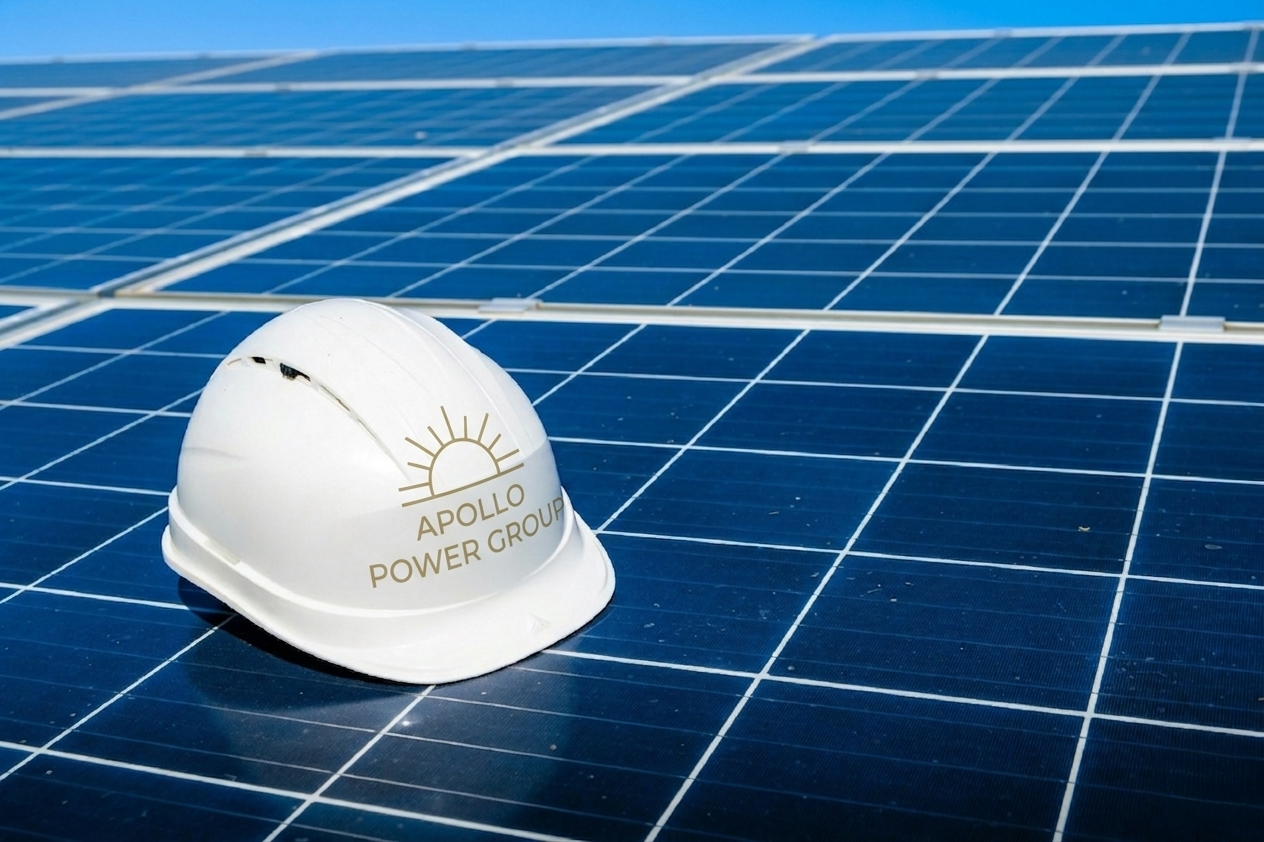
Polycrystalline panels, also called multi-crystalline panels, are made from silicon fragments melted together into a mold. This manufacturing process is less complex and more efficient than creating monocrystalline panels, resulting in a lower price point. These panels typically display a characteristic blue color and a speckled appearance due to the multiple silicon crystals visible on their surface.
The efficiency of polycrystalline panels generally ranges from 15% to 17%, making them somewhat less efficient than their monocrystalline counterparts. However, they still provide excellent value for most residential and commercial applications, particularly when roof space is not a constraint. Polycrystalline panels have a lifespan comparable to monocrystalline panels, typically lasting 25-30 years.
The advantage of polycrystalline panels lies in their affordability without sacrificing too much efficiency. They represent a middle ground between cost and performance, making them a popular choice for budget-conscious consumers. However, they require slightly more space to generate equivalent power compared to monocrystalline alternatives, and their performance diminishes slightly more in hot climates.
Thin-Film Solar Panels
Thin-film panels represent a fundamentally different approach to solar panel manufacturing. Instead of using crystalline silicon wafers, thin-film panels use a thin layer of photovoltaic material—such as cadmium telluride, copper indium gallium selenide (CIGS), or amorphous silicon—deposited onto a substrate. This approach allows manufacturers to create flexible, lightweight panels.
Thin-film panels have lower efficiency rates, typically between 10% and 13%, making them less suitable for space-limited applications. However, they offer unique advantages in specific scenarios. They perform better in high-temperature environments and low-light conditions compared to crystalline panels. Additionally, their lightweight nature and flexibility make them ideal for applications like solar roof tiles, portable solar chargers, and installations on curved surfaces.
The manufacturing process for thin-film panels is simpler and more scalable than crystalline technologies, potentially offering cost advantages at scale. However, the lower efficiency requirements translate to needing more area to generate equivalent power, which can limit their residential applications.
Emerging and Advanced Solar Technologies
Beyond the three main types, several emerging technologies are reshaping the solar landscape.
Perovskite Solar Cells
Perovskite solar cells represent one of the most exciting frontiers in photovoltaic research. These cells use a mineral-structured compound that demonstrates remarkable efficiency gains in laboratory settings, with some achieving efficiency rates exceeding 25%. Perovskites can be manufactured at lower temperatures using simpler processes than traditional silicon panels, potentially reducing production costs significantly.
However, perovskite cells currently face challenges regarding longevity and stability. Most prototype cells degrade rapidly when exposed to moisture and heat, limiting their commercial viability. Researchers are actively working to overcome these obstacles, and perovskite technology could eventually revolutionize the solar industry.
Bifacial Solar Panels
Bifacial panels feature photovoltaic cells on both the front and back, allowing them to capture sunlight reflected from surfaces below, such as ground or snow. This dual-sided approach can increase energy output by 10-25% compared to traditional single-sided panels. While more expensive than standard panels, their enhanced productivity makes them increasingly attractive for utility-scale installations and regions with significant ground reflectivity.
Concentrated Photovoltaics (CPV)
CPV systems use lenses or mirrors to concentrate sunlight onto small areas of high-efficiency photovoltaic cells. These systems can achieve efficiency rates above 40% in laboratory conditions, though real-world performance typically ranges from 25-35%. CPV systems require direct sunlight and tracking mechanisms to follow the sun throughout the day, making them most suitable for large-scale, utility-grade installations in sunny regions.
Comparing Solar Panel Types
When selecting solar panels, several factors warrant consideration:
Efficiency: Monocrystalline panels lead in efficiency, followed by polycrystalline, then thin-film panels. For space-constrained installations, higher efficiency becomes critical.
Cost: Polycrystalline and thin-film panels offer lower upfront costs, while monocrystalline panels command premium prices. However, the cost per watt over the panel's lifetime often favors more efficient options.
Space Requirements: Monocrystalline panels require the least space, followed by polycrystalline, with thin-film panels demanding the most area for equivalent power generation.
Temperature Performance: Thin-film panels generally perform better in high-temperature environments, while monocrystalline panels show slight advantages in cool conditions.
Durability: All three main types typically last 25-30 years, though monocrystalline panels tend to degrade slightly slower over time.
Conclusion
The solar panel market offers diverse options to meet varying needs and budgets. For homeowners considering Miami solar panel installation, monocrystalline panels remain the premium choice for those prioritizing efficiency and space optimization, while polycrystalline panels provide an excellent balance of performance and affordability for most residential installations. Thin-film panels serve specialized applications where flexibility or heat resistance proves advantageous.
As technology advances, emerging innovations like perovskite cells and bifacial panels continue to expand the possibilities. Regardless of which type you choose, solar panels represent a sustainable investment in clean energy that reduces both your carbon footprint and energy bills. With falling prices and improving efficiency across all technologies, solar energy has never been more accessible to homeowners and businesses worldwide.
SOURCES
1. U.S. Department of Energy. (n.d.). "Solar Energy Basics." Energy.gov. Retrieved from https://www.energy.gov/eere/solar/solar-energy-basics
2. National Renewable Energy Laboratory (NREL). (2023). "Best Research-Cell Efficiency Chart." Retrieved from https://www.nrel.gov/pv/cell-efficiency.html
3. National Renewable Energy Laboratory. (2022). "Photovoltaic Degradation Rates." NREL Technical Report.
U.S. Department of Energy. (2021). "Solar Photovoltaic Technology Basics." EERE Publication.
Share This Article